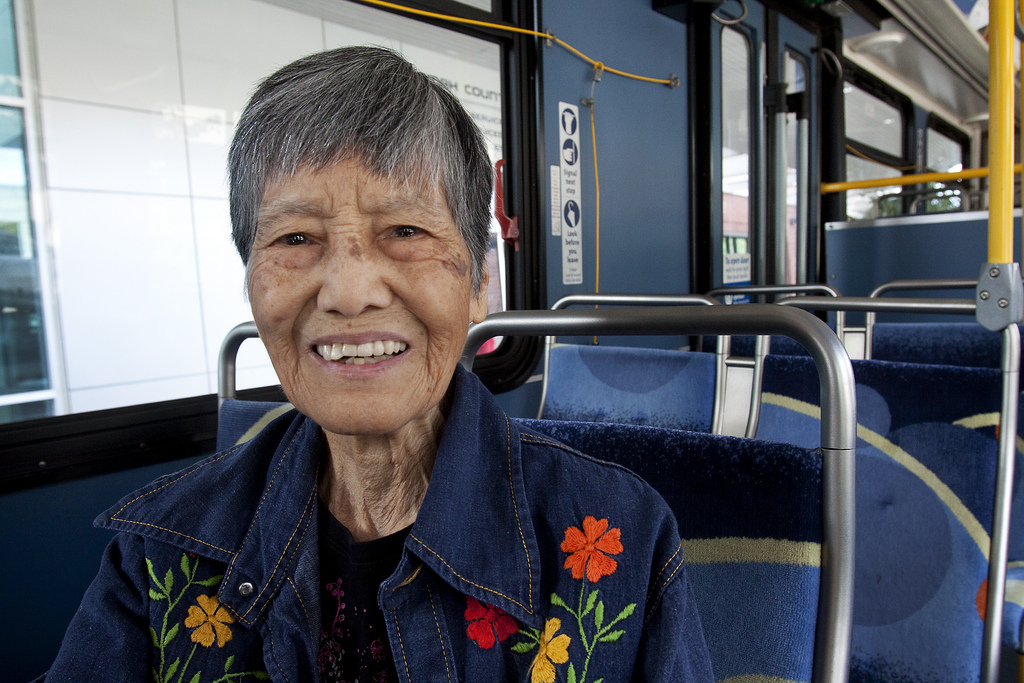
 Retirees around the country have taken their futures into their own hands. People who have led highly independent lives are abandoning the idea of retirement communities by deciding to “age in place.”
Over the last decade, people in some neighborhoods have created nonprofit Senior Villages that enable elderly members to stay in their own homes as they age and to lead vibrant, active, and healthy lives. Today, nearly 100 Villages are in existence, with around twenty established and many others at various phases of development throughout the Washington D.C. region. As the Care For You website notes: “Annual dues are charged by most villages, though not all, and many who charge dues offer a price break for low-income seniors.”
 The primary philosophy is that Villages facilitate neighbors helping neighbors with everything from social and sick visits to errands and household maintenance. Villages also recommend third-party vendors, often securing group rates and lower prices, and some even coordinate social and recreational events. Yet the overwhelming need for help – at least 50 percent and up to 80 percent of Village member requests – is transportation related.
Most Americans will outlive their driving years, and the most dramatic catalyst of change in an older person’s life is when she or he reaches “driving retirement.” Once they stop driving, people with impaired mobility often find they have no transportation alternatives that enable them to independently get their basic needs met and participate in society. In addition to coordinating volunteer drivers, Villages and other nonprofit organizations around the country are developing interesting transportation models, including programs that accept car donations in return for credits for future rides.
Villages are increasingly engaging at the community level to address the issue of neighborhood mobility as well. As a rapidly growing segment of our population is limited to walking and taking public transportation, it must be affordable, accessible, and reliable. Traversing the streets in order to reach the metro or bus stop requires that pavements are unobstructed, pedestrian crossings allow sufficient time to reach the other side of the street and have visual and audio signals, and outdoor seating and adequate restroom facilities are available at numerous points along the way.
Interestingly, while nearly 90 percent of seniors want to stay in their homes as long as possible, an even larger percentage want to stay within their communities. This should tell us that we need revisions to zoning regulations and encouragement of public-private partnerships that can make available appropriate housing options and facilitate population movement within communities.
I recently attended a public meeting where the Washington D.C. Office of Planning presented and solicited community input on its zoning-regulations revision process (see updates here). Perhaps with this we have an opportunity to consider innovative tools like Stratham, New Hampshire’s “overlay zone for affordable senior housing,” which allows seniors to downsize their residence and stay within the community.
Enabling mom to move from the large single-family dwelling that she can no longer maintain to an appropriately designed home nearby lets her stay in her community while making available housing for a young family. It is incumbent upon us to make “aging-in-community” a commonplace feature in all our cities and towns.
Stephanie K. Firestone has a Master’s degree in Urban & Environmental Planning and has led sustainability initiatives in the U.S. and overseas. Much of her volunteer work is with the elderly community in the Washington D.C. area.
Photo by TriMet